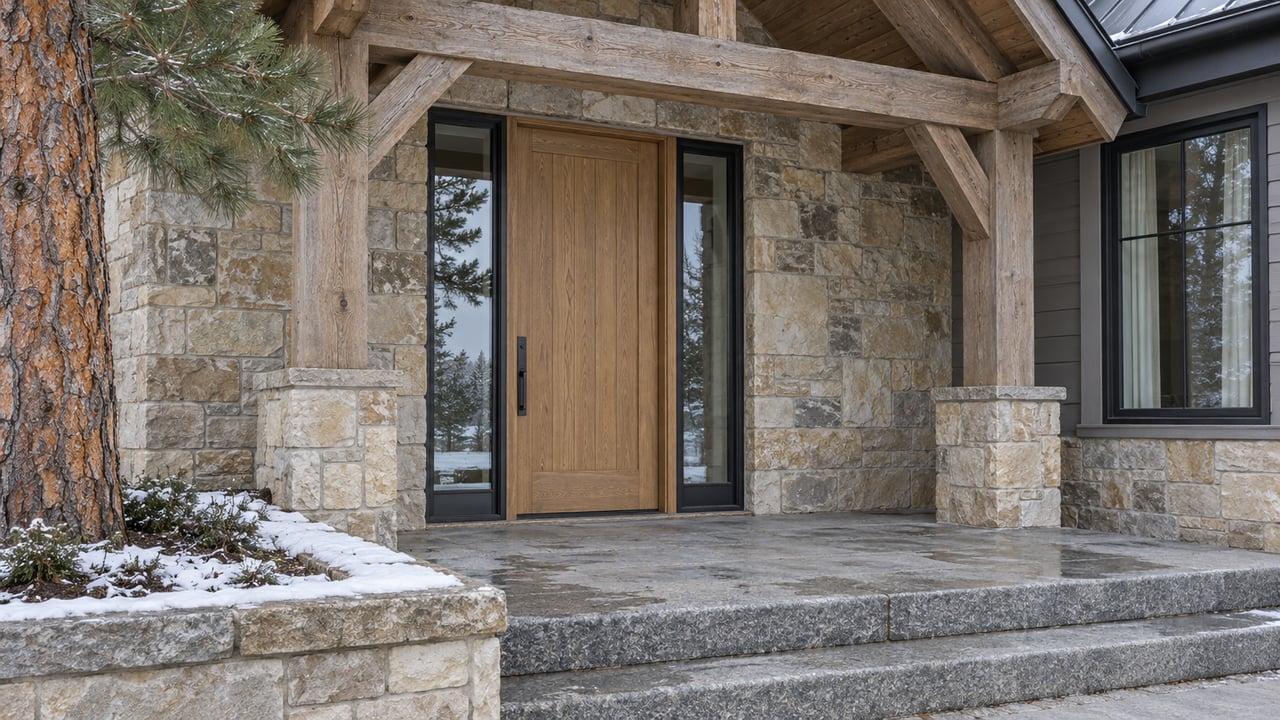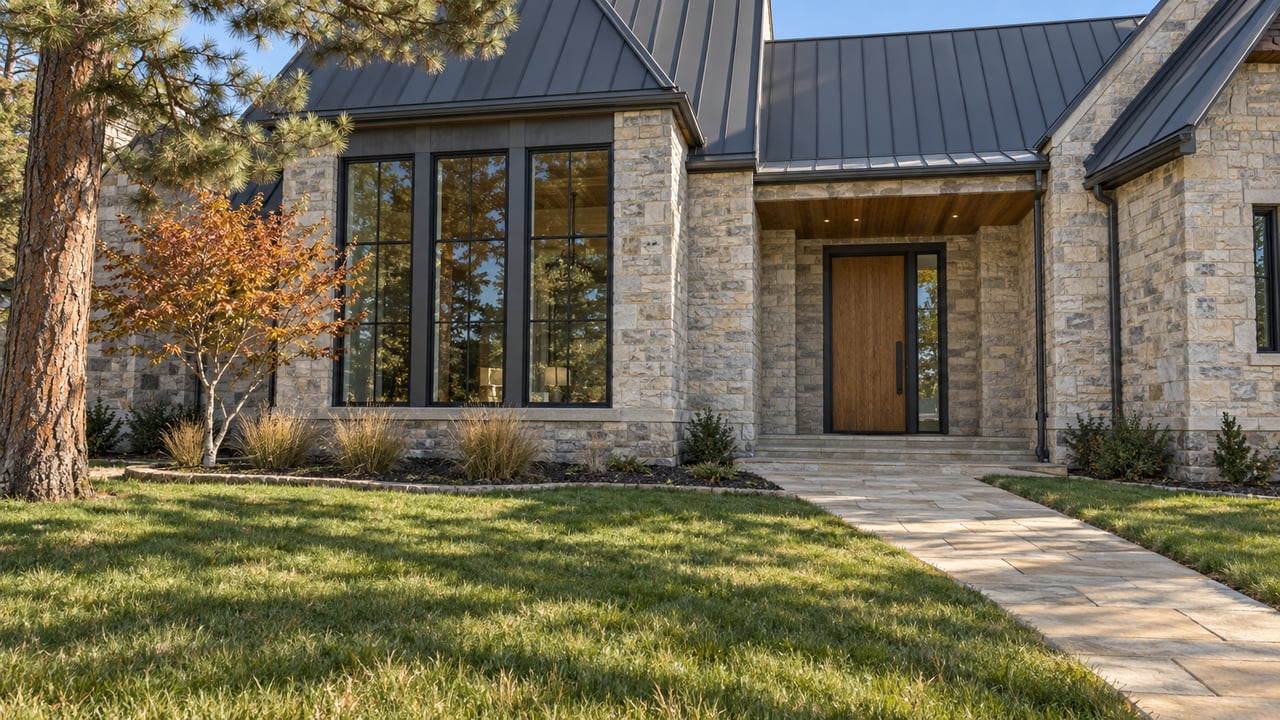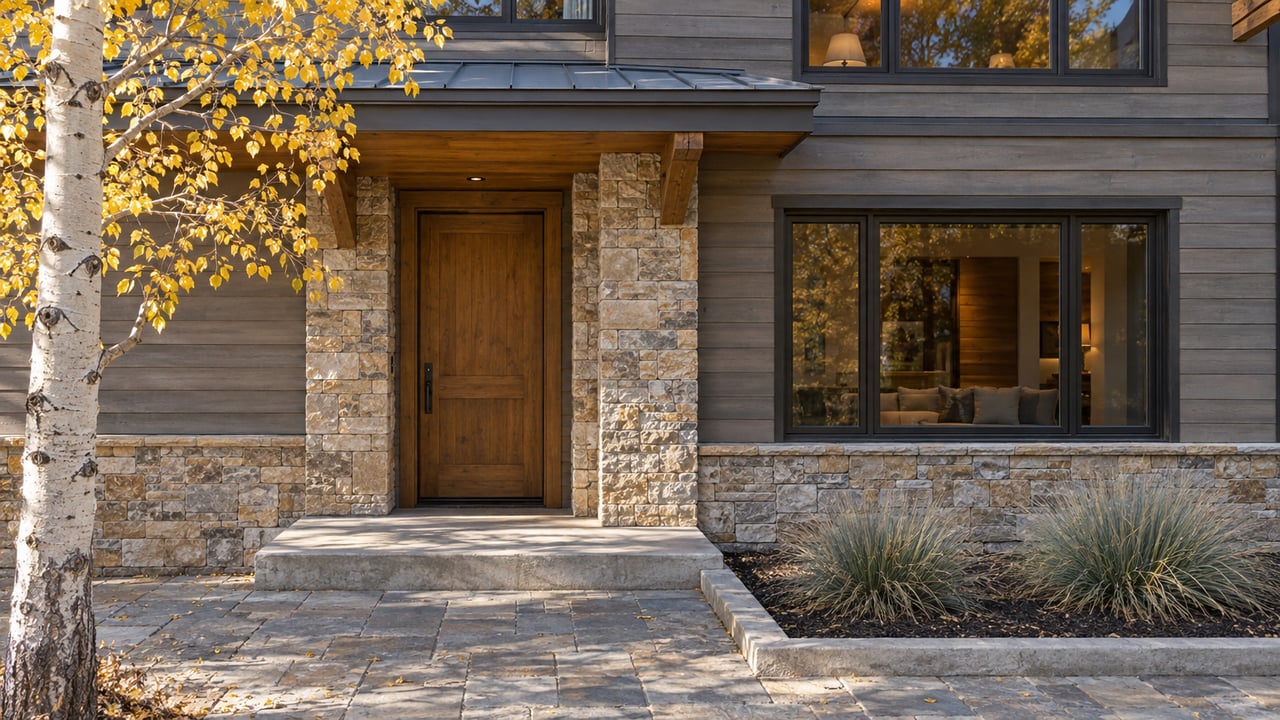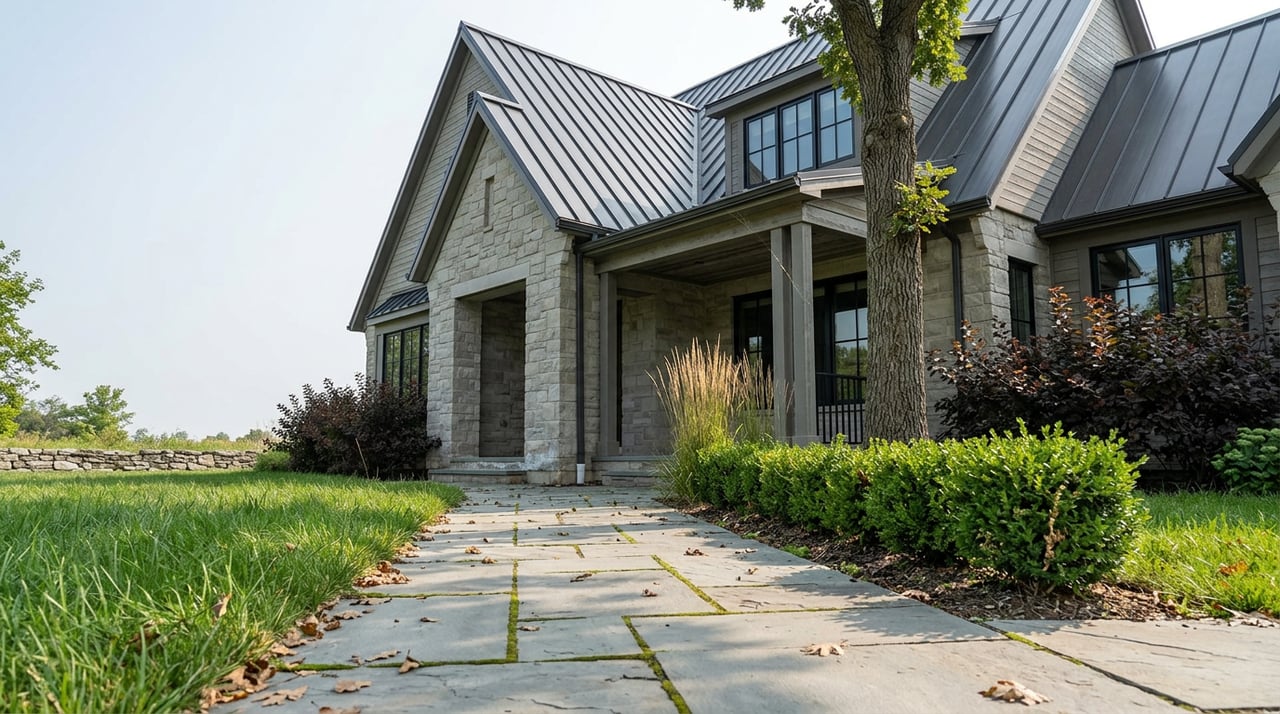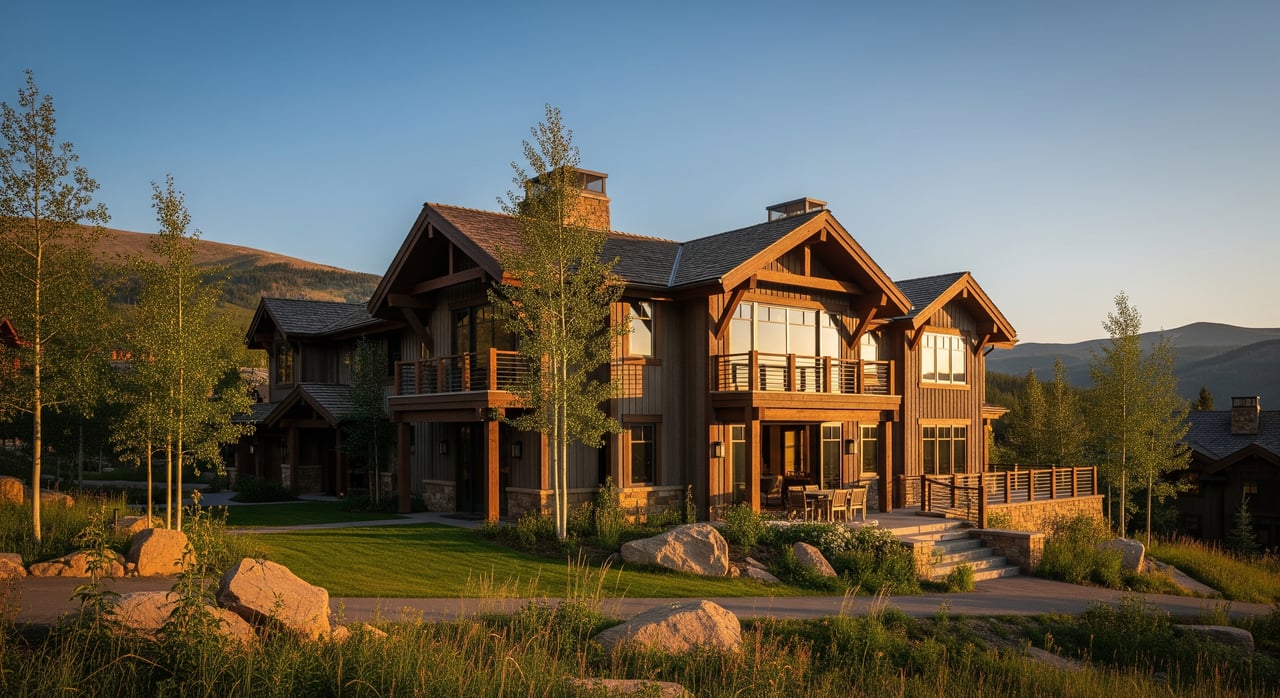
What does everyday life feel like at 9,000 to 10,000 feet? If you are eyeing Breckenridge for a primary home or mountain getaway, you want the real story on seasons, housing, and day-to-day routines. You also want practical tips that help you settle in with confidence. This guide walks you through the lifestyle, logistics, and ownership considerations that shape living in Breckenridge, so you can decide if it fits how you live. Let’s dive in.
Breckenridge at a glance
Breckenridge sits in Summit County on high alpine terrain, with a compact, walkable town and a historic Main Street. Elevation defines life here, from bright sun to thinner air and long winters. The community mixes year-round residents with second-home owners and a steady flow of visitors. For current town services, events, and municipal updates, check the Town of Breckenridge.
Seasons and weather at altitude
You get four true seasons. Winter is long and snowy, with sustained cold that fuels ski season and a lively après scene. Spring and fall are quieter shoulder seasons, with variable weather and great local access when crowds thin. Summer brings warm days and cool nights, perfect for hiking, biking, and festivals.
If you are new to altitude, plan time to acclimate and stay hydrated. Sun strength can be intense, so keep sunscreen and layers handy. Many residents consider spring and fall ideal for projects, local volunteering, and low-key trail time.
Getting here and getting around
Most residents and visitors drive I-70 from the Denver metro, usually 1.5 to 2 or more hours depending on traffic and weather. In winter, travel times can stretch, and traction or chain rules may apply. For road conditions and alerts, use the Colorado Department of Transportation travel page.
You can fly into Denver International Airport, or seasonally into Eagle County Airport depending on routes. Once you are here, free local buses make life simpler. Summit County operates the Summit Stage, and in-town routes are covered by the Breckenridge Free Ride. Rideshare is more limited than big cities, especially during peak times.
Main Street life and daily essentials
Downtown Breckenridge is walkable, with shops, galleries, coffee spots, and restaurants that stay lively in ski season and relax in shoulder months. Expect higher grocery and dining costs than the Front Range due to mountain logistics. You will find everyday services in town, though some specialized items or appointments may be easier in nearby Frisco or Dillon.
Parking can be tight during holidays and high season. If you live near the core, walking or hopping on the bus often beats searching for a spot. Many locals time errands for midweek or midday in peak months.
Outdoor recreation year-round
Winter is front and center. You have world-class skiing and snowboarding at Breckenridge Ski Resort, plus cross-country skiing, snowshoeing, sledding, and winter events. Off the hill, après-ski culture is part of the rhythm.
Summer flips the script. You will enjoy hiking, trail running, and lift-access mountain biking, with Dillon Reservoir nearby for paddle sports and boating. Fall colors are short but stunning. Shoulder seasons offer great trail access with a quieter, locals-first feel.
Housing options and ownership
Homes range from historic Victorians and in-town townhomes to modern condos, ski-in and ski-out buildings, single-family mountain homes, and deed-restricted workforce housing. Many properties are designed for seasonal use or rental, often furnished and turnkey. Year-round residents include resort workers, remote professionals, retirees, and local families, alongside a significant number of second-home owners.
Resort demand and limited supply push prices higher than many non-mountain markets. HOAs are common in condo and townhome communities and may include snow removal and amenities. If you plan to be part-time, budget for property management, winterization, and reliable snow removal.
Short-term rentals: what to know
Short-term rentals are a major part of the lodging mix in and around Breckenridge. Licensing or registration, local safety and parking rules, and tax collection are required. Rules evolve and can vary by jurisdiction, so always confirm the latest details. For countywide guidance, start with Summit County’s Short-Term Rentals information. If your property sits inside town limits, consult the Town of Breckenridge for current licensing and code updates.
Many owners hire local property managers for bookings, cleaning, and compliance. If you plan to buy a workforce or deed-restricted unit, learn the occupancy and resale rules before you write an offer.
Everyday logistics and safety
- Winter driving: All-wheel drive or 4WD is strongly recommended in winter, and quality snow tires make a big difference. During storms, plan for delays or closures. Keep an emergency kit in the car and track alerts through the CDOT travel page.
- Utilities and internet: In-town homes typically connect to municipal water and sewer. Some outlying properties use wells and septic. Internet and cell coverage have improved, but speed can vary by neighborhood.
- Wildlife and backcountry: Bear activity is a normal reality. Secure trash and remove attractants. If you venture beyond ski areas, check the Colorado Avalanche Information Center for daily forecasts and consider avalanche education.
- Healthcare and schools: Emergency and acute care are handled at the regional hospital in Frisco, with local clinics in the county. Public K–12 schools are part of the Summit School District, with some students commuting to centralized campuses. For continuing education, explore Colorado Mountain College’s Summit locations.
Costs and upkeep to plan for
- Heating and utilities: Expect higher winter energy costs and consider efficient systems or upgrades.
- Snow and ice management: Budget for roof and driveway snow removal, and understand any HOA coverage.
- Seasonal maintenance: Plan for inspections, wildlife-proofing, and freeze protection if you are away.
- HOA fees: Full-service buildings with amenities can carry substantial monthly dues.
Is Breckenridge a fit for you?
Breckenridge is a great match if you want an active mountain lifestyle with year-round recreation and a true small-town feel. You will trade big-city convenience for alpine access and a community that ebbs and flows with the seasons. If you embrace winter, enjoy outdoor time, and value a walkable core, it may be perfect for you.
Consider these quick checkpoints:
- You want reliable ski access and four-season trails close to home.
- You are comfortable planning travel and errands around weather and peak visitor times.
- You can budget for mountain utilities, HOA fees, and maintenance.
- You will verify STR licensing, taxes, and HOA rules before renting.
How a local advisor helps
Choosing the right neighborhood, building, or lot in Breckenridge involves more than price. You want clarity on HOA coverage, access to transit, seasonal parking patterns, and any deed or rental restrictions. You also want a trusted guide who can coordinate due diligence and connect you with local pros for inspections and management.
If you are considering a move or a second home in Summit County, let’s talk about your goals and timing. Reach out to Dave Todd for local guidance and full-service representation. Request a Free Valuation & Consultation and get a tailored plan for buying or selling.
FAQs
What is winter like if I live in Breckenridge full time?
- Expect a long, snowy season with sustained cold, busy ski months, and occasional travel delays. Good tires, a flexible schedule, and layered clothing go a long way.
How do short-term rental rules work in town and county areas?
- Licensing or registration and local tax remittance are required, with evolving rules that differ by jurisdiction. Check Summit County’s STR page and the Town of Breckenridge for current details.
Do I need a 4WD vehicle to live in Breckenridge?
- It is strongly recommended in winter, and quality snow tires are widely used. During storms, CDOT can enforce traction requirements on mountain roads.
Where do residents get medical care in Summit County?
- Acute and emergency services are available at a regional hospital in Frisco, with primary care and urgent care options in the county. Specialty care is typically in larger regional centers.
What are common ongoing costs for mountain homes?
- Plan for higher winter utilities, snow and ice management, seasonal maintenance, and HOA dues for many condos or townhomes. Property managers can help part-time owners handle upkeep.