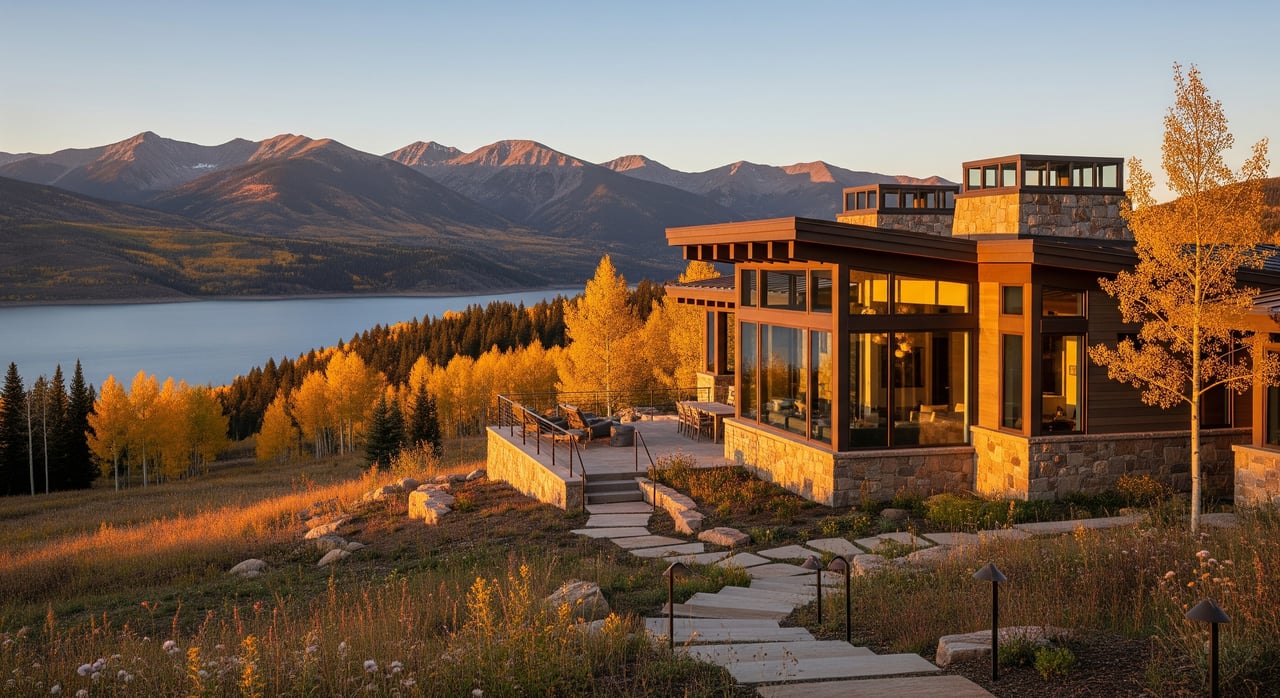
Thinking about moving to Frisco, Colorado? You’re not alone. This small mountain town in Summit County blends everyday convenience with big-mountain access, which makes it a smart fit for transferees, remote workers, and outdoor-minded families. In this guide, you’ll get clear steps for commuting, winter driving, housing options, and how to land smoothly in your first 60 days.
By the end, you’ll know what to expect in each season, how to plan your timing, and what to check before you sign a lease or make an offer. Let’s dive in.
Why Frisco works for relocators
Frisco sits along Highway 9 near Dillon Reservoir with quick access to I-70. It functions as a local services hub for Summit County, so you can reach grocery stores, medical care, and county amenities without a long drive. You’re also close to major ski areas and trail networks for year-round recreation.
Expect pronounced seasonality. Winter ski months and peak summer bring more visitors, heavier traffic, and tighter rental supply. If your timeline is flexible, target late spring or early fall for easier logistics and potentially more options.
Commute and transportation
Road network and regional access
Your primary routes are Highway 9 running north–south and I-70 running east–west. Travel times can swing widely with weather and holiday traffic, so build in buffer time, especially on weekends and during storms. If you work on the Front Range, plan for longer commutes and occasional traction or chain requirements on mountain corridors.
Public transit and shuttles
Summit County operates free or low-cost county shuttle services that connect Frisco with nearby towns and ski areas. These buses can ease winter driving stress and reduce parking hassles. Regional and private shuttles also serve airports, and schedules often shift by season, so book early during peak periods.
Airports and long-distance travel
You have several airport options within regional driving distance. Reliability in the mountains is seasonal, with winter weather affecting both road and air schedules. Plan conservative connection times and consider alternative airport routing if you need more reliability on travel days.
Remote-work connectivity
Broadband varies by address. Newer buildings and commercial cores tend to have faster cable or fiber, while older or edge locations may be limited. Before you commit to a property, confirm providers and advertised speeds, check cell coverage, and consider a backup plan like a mobile hotspot, fixed wireless, or satellite for critical workdays.
Winter driving and safety
Vehicle setup that works
Winter is the biggest day-to-day variable of mountain living. Choose a vehicle with AWD or 4WD and install winter-rated tires for the best traction. Keep a winter kit in the car with warm layers, a blanket, water, snacks, a headlamp, a shovel, traction mats, jumper cables, and a phone charger. If you’ll travel I-70 or other mountain corridors, carry tire chains and practice installing them.
On-road habits to adopt
Increase following distance on snow and ice. Use lower gears on downhills to preserve your brakes. Accelerate and brake gently to avoid skids. Always check road and weather conditions before you leave and be prepared for rapid changes.
Know the rules and alerts
Colorado enforces traction and chain requirements during storms on mountain highways. Watch for posted signs and digital alerts. If a chain-up area is active, follow instructions to avoid fines and delays.
Town layout and amenities
Downtown and neighborhoods
Frisco’s core is a compact, walkable downtown centered on Main Street and the marina area. You’ll find restaurants, shops, and municipal services within an easy stroll. Housing ranges from historic homes and in-town condos to newer developments on the edges of town that may offer different lot sizes and commute trade-offs.
Recreation at your doorstep
You’re positioned for four-season access. In winter, alpine and Nordic skiing and snow tubing are nearby. In warmer months, hiking, mountain biking, and water time on Dillon Reservoir are close to home. Community facilities often include a marina, trail networks, parks, and an active calendar of outdoor events.
Everyday services and schools
Frisco hosts key medical and emergency services for Summit County. Grocery and retail options are available locally and throughout the county, though selection is more limited than in metro areas. Public schools are operated by the local district; contact the district office for enrollment, boundaries, and programs.
Culture and events
Expect a steady rhythm of seasonal festivals, concerts, and community markets. These gatherings are a great way to meet neighbors and learn local routines.
Housing and market basics
Typical property types
You’ll see a mix of condominiums, townhomes, duplexes, single-family homes, and smaller multifamily buildings. Because tourism influences the market, short-term and furnished rentals are common, particularly near recreation corridors and downtown.
Market timing and strategy
Inventory can run thin at times, with strong demand from second-home owners and seasonal visitors. During peak seasons, listings can move quickly and rental timelines may be tight. Be ready with proof of funds or a lender pre-approval to act when you find the right fit.
Short-term rentals and HOAs
Short-term rental rules are set by town and county ordinances. Many properties require registration, taxation, and compliance with occupancy and parking guidelines. Always verify local regulations and check HOA covenants for rental restrictions or additional requirements before buying a property you plan to rent.
Affordability and workforce housing
Like many mountain communities, Summit County works to support local workforce housing. Programs and availability change over time, so review current options directly with county resources if workforce eligibility is part of your plan.
Step-by-step checklists
A. Rental-bridging checklist
Use this if you plan to start with a short-term or furnished place while you shop for a long-term lease or a home purchase.
- Identify furnished short-term options early: extended-stay hotels, corporate housing, local property managers with month-to-month units.
- Secure proof of funds or lender pre-approval to speed up applications and offers.
- Ask about what’s included: utilities, snow removal, parking, and any occupancy limits.
- Confirm internet providers and speeds at the exact address before you book.
- Reserve moving and storage services in advance; winter and summer fill up quickly.
- If you have pets, confirm pet rules, deposits, and any size or breed restrictions.
B. Timing and seasonal planning checklist
Pick dates that reduce friction and risk.
- Aim for late spring after snowmelt or early fall before winter storms if possible.
- If moving in winter, build extra days into your schedule for weather delays.
- Confirm your moving company can handle mountain conditions and winter insurance.
- Book housing and movers well ahead of peak ski and summer months.
- Coordinate school enrollment and medical record transfers before arrival.
C. Community orientation checklist (first 30–60 days)
Get your daily life set up quickly and safely.
- Utilities: set up electric, water, sewer, trash, and internet; ask about deposits and billing cycles.
- Transportation: download local transit schedules; note nearby park-and-ride lots and ski-bus routes.
- Healthcare: register with local clinics; identify urgent care and emergency services.
- Schools: contact the district to complete enrollment and confirm school assignment.
- Local government: handle vehicle registration if needed, learn parking rules, and confirm trash/recycling schedules.
- Civic engagement: join local community groups and sign up for municipal newsletters and emergency alerts.
- Safety: if you plan backcountry recreation, seek avalanche awareness resources and training.
Smart commuting strategies
If you work on the Front Range, consider flexible or hybrid schedules to avoid peak travel windows. For critical in-office days, you may want to overnight closer to your workplace rather than risk storm delays. When weather is active, rely on local transit when it makes sense and adjust your departures to account for traction rules or incidents.
How to choose the right neighborhood
Start by mapping your day-to-day. If walkability to Main Street shops and the marina matters, prioritize in-town condos and townhomes. If you want more space and a quieter setting, edge neighborhoods may fit better, though you’ll trade some walkability for lot size and parking. No matter where you focus, test drive your commute at different times and confirm internet options for your exact address before you commit.
Buying or renting with confidence
Set your budget and must-have list, then pair that with a realistic timeline that accounts for seasonality. In competitive windows, be prepared to tour quickly, verify HOA rules early, and make clean, well-documented offers. If you plan to operate a short-term rental, confirm town and county ordinances and any HOA restrictions before you write an offer.
Your first 60 days: a simple game plan
- Week 1–2: Set up utilities and internet, confirm trash and recycling schedules, and learn your closest transit stops. Stock your winter car kit if you arrive in cold months.
- Week 3–4: Register with healthcare providers, complete any school enrollment steps, and test your commute routes and backup plans.
- Week 5–8: Explore neighborhood trails and parks, attend a local event, and revisit your housing plan based on what you’ve learned about daily life and connectivity.
Work with a local advisor
A smooth relocation comes down to planning, timing, and on-the-ground insight. You deserve a guide who understands both Summit County’s seasonal rhythms and the needs of transferees and remote workers. If you’re weighing neighborhoods, comparing property types, or mapping a two-step rental-to-purchase move, connect with a trusted local resource who can help you navigate the details and keep your timeline on track.
Ready to talk through your move to Frisco and build a step-by-step plan? Reach out to Dave Todd for concierge-level guidance and local expertise.
FAQs
What makes Frisco a good relocation base in Summit County?
- Frisco combines a walkable core, access to county services, and quick connections to Highway 9 and I-70 for easy regional travel.
How should I plan my commute from Frisco in winter?
- Allow extra time, monitor conditions, and consider flexible or hybrid schedules; use county transit when it reduces risk and stress.
Do I need a specific vehicle for mountain driving?
- An AWD or 4WD vehicle with winter-rated tires is strongly recommended, along with a winter emergency kit and chains for mountain corridors.
Can I rely on broadband for remote work in Frisco?
- It depends on your exact address; confirm providers and speeds before leasing or buying, and consider a backup like a hotspot or fixed wireless.
When should I shop for housing to avoid peak pressure?
- Late spring and early fall often offer smoother logistics and potentially more inventory; winter ski season and early summer are the busiest.
Are short-term rentals allowed if I buy a property?
- Many homes operate as short-term rentals, but rules vary; verify town and county ordinances and check HOA covenants for any restrictions.