Thinking about buying a condo in Keystone for rental income? You’re not alone. With family-friendly skiing, summer festivals, and easy I‑70 access, Keystone draws steady vacation demand. Still, returns vary widely by location, amenities, and rules. In this guide, you’ll learn how to evaluate rental potential, model cash flow conservatively, and avoid common pitfalls so you can buy with confidence. Let’s dive in.
Why Keystone attracts renters
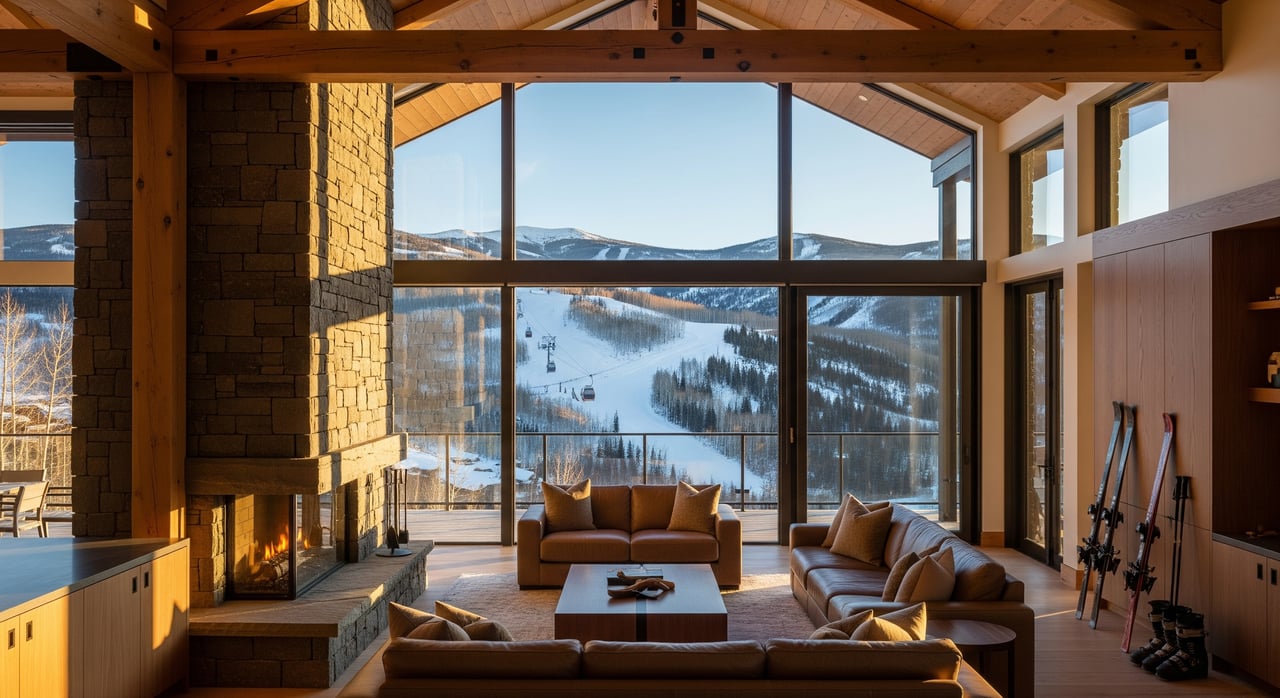
Keystone is part of the Vail Resorts portfolio and is known for lift access, River Run Village, night skiing, and year-round outdoor fun. Winter is the clear peak, but summer brings mountain biking, fishing, and lake days at Dillon Reservoir. This dual-season appeal helps smooth occupancy if you plan and price well.
Typical seasonality looks like this:
- Winter peak: December holidays through March often deliver the highest rates and occupancy.
- Shoulder winter: November and April can fluctuate with snow and holiday timing.
- Summer peak: Late June through August is meaningful, just usually below winter ADRs.
- Low/shoulder months: May, September, and October often run slower.
To understand resort events and guest demand patterns, start with the official resources at Keystone Resort and Vail Resorts.
Rules and licensing you must confirm
Before you run numbers, verify that you can legally operate the property as a short-term rental.
- Check local policy. Confirm STR eligibility, licensing, occupancy limits, safety inspections, and any caps or zones through Summit County’s official site. Ask for the current STR license or registration if the unit is already rented.
- Review taxes. STRs trigger state sales tax and local lodging or occupancy taxes. Confirm current rates and who remits them by reviewing Colorado Department of Revenue guidance and Summit County finance pages.
- Study HOA rules. CC&Rs may set minimum stays, require registration, limit parking, or require a resort-approved rental program. Request CC&Rs, rental amendments, recent meeting minutes, and the latest budget.
These items can materially change your break-even point and your total rentable nights, so treat them as non-negotiable due diligence.
Location and amenities that drive ROI
In Keystone, micro-location and features can shift ADR and occupancy more than you might expect.
- Proximity to lifts and River Run. Ski-in/ski-out or short-walk units typically earn premium rates and better winter occupancy.
- On-site amenities. Hot tubs, ski storage, concierge, shuttle access, and parking add real value for guests.
- Unit features. Larger floor plans, renovated kitchens and baths, in-unit laundry, reliable high-speed internet, fireplaces, and pet-friendly policies can all improve performance.
- Summer appeal. Waterfront or river-adjacent settings and easy access to trails help bookings when the snow melts.
Units without parking, difficult walk routes, or limited natural light can lag. If you are comparing similar units, these details explain spread in returns.
Management options and what they cost
How you operate the rental affects both revenue and your time commitment.
- Self-manage. You handle marketing, pricing, guest communication, coordination, and taxes. Fees are lower but the workload is real, especially in peak season.
- Local property manager. A turnkey manager handles listing optimization, guest services, cleaning, maintenance, and reporting. Full-service fees commonly range from 20 to 35 percent of rental revenue depending on scope.
- Resort-run program. On-site desks can boost exposure and convenience but may come with higher fees and stricter rules.
Also budget for cleaning per stay, utilities, HOA dues, insurance, property taxes, and periodic maintenance. In resort buildings, HOA dues can be a significant fixed cost that often covers shared amenities and some utilities.
Underwriting your Keystone rental the smart way
Take a conservative, step-by-step approach so early optimism does not turn into surprises later.
Build your revenue model
- Pull comps. Use tools like AirDNA for ADR and occupancy trends and browse similar listings on Airbnb and VRBO to validate bedroom count, proximity to lifts, and amenities.
- Seasonalize revenue. Model revenue month by month. Use higher ADRs and occupancy for Dec–Mar, moderate for late June–Aug, and plan for slower shoulder months.
- Apply a haircut. For a conservative base case, discount market ADRs by 10 to 20 percent to account for listing ramp-up, competition, and pricing learning curves.
- Set a realistic occupancy range. Many investors use a blended annual occupancy of 35 to 50 percent as a cautious starting point, then run sensitivity scenarios 10 points above and below.
Build your expense stack
- Management fee. Budget 20 to 30 percent for full-service management in a base case, or explicitly cost your time if self-managing.
- Cleaning. Include per-turn cleaning plus periodic deep cleans. Do not assume guest-paid cleaning fully offsets your cost.
- Fixed costs. Add HOA dues, insurance, property taxes, and utilities. Review HOA assessment history and reserves.
- Variable and other. Include platform fees if applicable, credit card fees, maintenance supplies, linen replacement, and marketing.
- Capital reserves. Set aside at least 3 to 5 percent of gross revenue or a fixed annual reserve for bigger items like hot tub service, appliances, and seasonal maintenance.
Tie it together with clear metrics
- Gross Rental Revenue equals ADR times occupied nights, plus any retained cleaning fees.
- Effective Gross Income is gross revenue minus platform fees if you pay them.
- Net Operating Income equals EGI minus operating expenses.
- Cash Flow Before Debt Service equals NOI minus capital reserves.
- DSCR equals NOI divided by annual debt service. Many lenders want to see a coverage cushion.
- Break-even occupancy tells you how many booked nights you need to cover fixed costs, debt service, and target profit.
Run a base case, a downside case with lower ADR and occupancy, and an upside case with better performance. If the deal works in the downside, you’re in a stronger position.
Practical due diligence before you buy
Give yourself enough runway to verify the details that matter.
- Confirm STR eligibility with Summit County and your HOA. Ask for the current STR license if the unit is active.
- Request 12 to 24 months of booking and P&L data from the seller or property manager. Verify gross bookings, net to owner, occupancy by date, and cleaning invoices.
- Review HOA documents, budgets, reserve studies, and recent meeting minutes. Look for special assessments and upcoming capital projects.
- Get written quotes for cleaning, linen service, and routine maintenance.
- Inspect items that affect guest experience, such as hot tub condition, hot water capacity, parking access, and storage.
- Verify insurance options and premiums for STR use, plus exact lodging and sales tax obligations through the Colorado DOR.
- If financing, consult lenders familiar with resort STRs and confirm down payment, interest rate, and DSCR requirements.
Common risks and how to buffer them
- Regulatory shifts. Stay close to Summit County STR updates and renew licenses on time. Keep a cash buffer in case rules change.
- HOA changes. Understand how rental rules can be amended and the likelihood of new restrictions.
- Competition and new supply. Track comparable listings and diversify your marketing across platforms and channels.
- Weather and seasonality. Use conservative occupancy and ADR assumptions. Offer longer stays or value-add packages in shoulder months.
- Capital surprises. Maintain reserves and schedule preventative maintenance, especially for hot tubs and mechanical systems.
A simple decision framework you can follow
Use this quick structure to go from interest to informed offer:
- Validate STR eligibility and tax requirements with Summit County, Colorado DOR, and the HOA.
- Build a monthly revenue model using AirDNA trends and platform comps, then haircut ADR by 10 to 20 percent.
- Plug in an expense stack that includes management, cleaning, HOA dues, insurance, utilities, property taxes, and reserves.
- Calculate NOI, DSCR, and break-even occupancy. Run base, downside, and upside scenarios.
- Request historical P&Ls and booking exports to confirm real performance if the unit has a rental history.
- Price your offer with a buffer for special assessments or regulatory changes.
When you approach Keystone with a data-backed plan and a conservative model, you put yourself in position to enjoy both the lifestyle and the long-term returns.
Ready to map properties to your goals and run real numbers together? Reach out to Dave Todd for a tailored shortlist, comp set, and underwriting walkthrough.
FAQs
What makes Keystone, CO strong for short-term rentals?
- Dual-season demand, family-friendly ski terrain, River Run Village amenities, and events supported by Keystone Resort and Vail Resorts drive bookings.
How do I confirm if a Keystone condo can be rented short term?
- Check the listing’s current STR license, verify county rules on the Summit County site, and read your HOA’s CC&Rs and rental amendments.
What is a conservative occupancy rate to model in Keystone?
- Many investors start with a blended annual range of 35 to 50 percent and then test sensitivity 10 points above and below.
How much do property managers in Keystone typically charge?
- Full-service management commonly ranges from 20 to 35 percent of rental revenue, depending on services and distribution.
Which taxes apply to Keystone short-term rentals?
- Expect state sales tax plus local lodging or occupancy taxes; verify rates and who remits through the Colorado Department of Revenue and county finance pages.