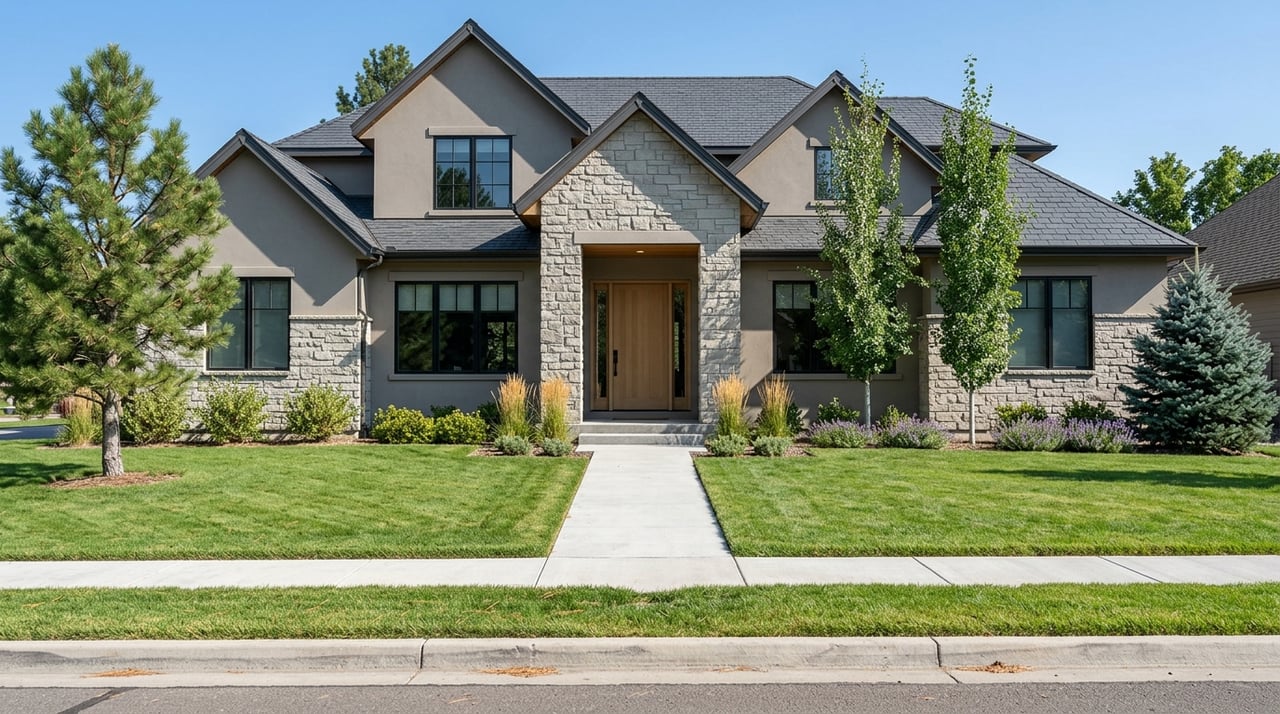
Moving to a new city can feel simple on paper and surprisingly complex in real life. If you’re considering Lone Tree, you’re probably trying to balance home prices, commute options, neighborhood feel, and the kind of day-to-day lifestyle you actually want. This guide will help you understand how Lone Tree is laid out, what housing options look like, and how daily life works once you’re here. Let’s dive in.
Why Lone Tree Draws Relocating Buyers
Lone Tree offers a mix that appeals to many relocation buyers: established neighborhoods, newer development, strong regional access, and a growing city center. It sits at the crossroads of I-25 and C-470, with access to E-470 as well, which makes it a practical home base for many work and lifestyle patterns.
The city is about 20 miles from downtown Denver, about 35 miles from Denver International Airport, and about 5 miles from Centennial Airport. That location can be especially useful if you split time between office commutes, airport travel, and weekend plans around the metro area.
What makes Lone Tree stand out is that it is not just one type of suburb. Some areas feel established and residential, while others are newer, more mixed-use, and more transit-oriented. That gives you real choices depending on how you want to live.
Lone Tree Housing Overview
Lone Tree’s housing story is closely tied to how the city has grown over time. The first subdivision opened in 1982, the Lone Tree Golf Club opened in 1985, and additional neighborhoods including Heritage Hills, Centennial Ridge, and Carriage Club were annexed in 2001.
Today, the city is easiest to understand as two broad relocation zones: the more established west and central areas, and the newer RidgeGate and City Center growth areas to the east. If you are relocating, this split can help you narrow your search faster.
Established Neighborhoods West of I-25
Much of west and central Lone Tree feels more built out and established. Active residential neighborhoods in these areas include Heritage Hills, Carriage Club, Centennial Ridge, Bluffmont Estates, Country Club Estates, Cypress Green, Heritage Estates, Montecito, Prominence Point, Ridgeview, Terra Ridge, Sky Ridge, The Charter, Club Terrace, Lone Tree Terrace, The Vista, Fairways, Masters Park, Taos, Belvedere, The Enclave, and Muirfield.
In practical terms, these neighborhoods often appeal to buyers who want a more finished suburban setting. You may prefer this side of town if you value mature neighborhood patterns, a more traditional residential feel, and proximity to many of the city’s existing amenities.
RidgeGate West is also a mature part of the city. The city notes that roughly 1,500 acres west of I-25 already include major employers, retail, residential neighborhoods, the arts center, the recreation center, the library, Bluffs Regional Park, and integrated open space, with only a small number of vacant sites remaining.
Newer Housing in RidgeGate East
If you want newer construction or a more future-focused part of Lone Tree, RidgeGate East is the area to watch. East of I-25 and south of Lincoln Avenue, RidgeGate is the city’s main growth corridor.
The city says about 2,000 acres of RidgeGate lie east of I-25 and include the RidgeGate Parkway and Lone Tree City Center RTD stations, Schweiger Ranch, and three residential villages. This area is designed to blend housing, transit access, open space, and mixed-use development.
One of the most visible residential projects is Southwest Village, also known as Lyric. It is the first large-scale residential development east of I-25 and is planned to include more than 1,800 homes, more than 200 acres of open space and trails, an elementary school, and the city’s first regional park.
City Center Living
The City Center area adds another option for relocation buyers who want a more connected, walkable environment. The City Center subarea plan covers a 440-acre downtown core with strong transit access, pedestrian-friendly streets, bikeways, parks, plazas, and diverse housing.
At buildout, the plan anticipates 5,000 residential units and 35,000 jobs. The city describes City Center as Lone Tree’s future downtown heart, which matters if you want to live near a district that is still taking shape and adding amenities over time.
Home Types and Price Range
Lone Tree offers more housing variety than many people expect. RidgeGate’s master-developer materials describe options that include luxury rental apartments, senior living, townhomes, eco-smart single-family homes, and large estate homes.
For price context, recent Douglas County data shows average sold prices in Lone Tree at $809,578 for single-family detached homes and $410,154 for single-family attached homes in the second quarter of 2025. Those numbers are best used as a general framework, since pricing still varies by location, size, age, and amenities.
How Commutes Work in Lone Tree
Commute planning is one of the biggest parts of any relocation decision, and in Lone Tree, small details matter. Your work location, access to a station, parking availability, and how often you drive versus ride transit can all shape which part of town makes the most sense.
Highway Access
Lone Tree has strong regional road access through I-25, C-470, and E-470. For many buyers, that is a major advantage because it supports travel in several directions instead of forcing a one-route commute pattern.
If you drive to the Denver Tech Center, downtown Denver, Centennial Airport, or other parts of the south metro area, this road network can make Lone Tree a flexible home base. It can also help households with two different commute patterns.
Light Rail Options
RTD serves Lone Tree with five light rail stations:
- County Line
- Lincoln
- Sky Ridge
- Lone Tree City Center n- RidgeGate Parkway
The E Line provides service to Union Station, and the R Line connects to Aurora with transfers toward the A Line and Denver International Airport. That can be a meaningful advantage if you want an alternative to driving for part or all of your commute.
Parking is not the same at every station, so this is worth checking before you choose a neighborhood. According to the city, County Line, Lincoln, and RidgeGate Parkway have parking, while Sky Ridge and Lone Tree City Center do not.
Local Shuttle Service
For shorter trips, Lone Tree operates Link On Demand, a free shuttle serving Lone Tree, Meridian, and Highlands Ranch. RTD’s Lone Tree FlexRide also serves parts of Lone Tree west of the County Line and Lincoln stations.
This can be useful if you want a lighter car routine for errands, station access, or nearby appointments. It also adds flexibility for households trying to reduce how often every trip requires driving.
Best Advice for Relocating Commuters
Before you buy, map out your actual routine instead of your ideal one. Check where you work, how often you need to be there, whether rail service fits your schedule, and whether your preferred station has parking.
That step matters in Lone Tree because one neighborhood may feel perfect on paper but add friction to your real schedule. A good relocation strategy starts with daily patterns, not just square footage.
What Daily Life Feels Like
Lone Tree blends practical convenience with an active suburban lifestyle. The city’s planning language emphasizes that residents can live, work, shop, recreate, and connect without leaving town, and that is a helpful way to think about the overall experience.
Shopping and Dining
Park Meadows is a major daily-life anchor in Lone Tree. Its site describes it as Colorado’s biggest shopping mall, with 185 stores and restaurants, and the city’s community profile also identifies it as the state’s largest regional shopping mall.
For many relocation buyers, that means everyday convenience is built in. Whether you need quick errands, dining options, or broader retail access, Lone Tree offers a strong commercial base close to home.
Parks and Recreation
Recreation is a major part of life in Lone Tree. The Lone Tree Recreation Center sits next to Bluffs Regional Park and just off I-25 and Lincoln, making it easy to reach from many parts of town.
The city also highlights Prairie Sky Park, Sweetwater Park, High Note Park, Willow Creek Trail, East/West Regional Trail, and Bluffs Regional Park and Trail. If you value trails, open space, and easy ways to stay active, those amenities can become part of your weekly routine very quickly.
Arts and Civic Life
The Lone Tree Arts Center adds another layer to daily life. It opened in 2011 with resident-approved funding and serves as a state-of-the-art venue near I-25 and Lincoln Avenue.
The center is accessible by car and public transportation and offers free on-site parking. For buyers who want more than just housing and commute convenience, this kind of civic amenity can add depth to the local lifestyle.
Everyday Services
One smaller detail that often matters after you move in is household convenience. Lone Tree provides free trash and recycling service for single-family homes, with pickup assigned by neighborhood.
The city notes that Lone Tree is one of only two Colorado cities to offer that benefit. It may not drive your move by itself, but it is the kind of practical service that can make everyday living simpler.
Which Part of Lone Tree Fits You Best?
If you want a more established suburban setting, west of I-25 will likely be the first place to look. These parts of Lone Tree tend to feel more finished and rooted in the city’s earlier growth.
If you want newer construction, more transit-oriented planning, and a mixed-use environment that will continue to evolve, RidgeGate East and City Center may be a better fit. These areas are especially worth exploring if your lifestyle includes rail commuting, walkable amenities, or interest in newer neighborhood design.
In other words, Lone Tree is not a one-note market. Your best fit depends on how you want your home, commute, and everyday routine to work together.
If you’re planning a move to Lone Tree and want help narrowing down neighborhoods, comparing housing options, or building a relocation plan around your real schedule, connect with Dave Todd for personalized guidance.
FAQs
What is the difference between west Lone Tree and RidgeGate East?
- West and central Lone Tree generally feel more established and built out, while RidgeGate East is the city’s main growth area with newer housing, transit-oriented planning, and mixed-use development.
What are average home prices in Lone Tree, Colorado?
- In second quarter 2025 Douglas County data, average sold prices were $809,578 for single-family detached homes and $410,154 for single-family attached homes in Lone Tree.
What transit options are available in Lone Tree for commuters?
- Lone Tree has five RTD light rail stations, access to the E and R lines, a free Link On Demand shuttle, FlexRide service in parts of town, and regional highway access through I-25, C-470, and E-470.
What is daily life like in Lone Tree for new residents?
- Daily life in Lone Tree includes major shopping and dining at Park Meadows, access to parks and trails, the Lone Tree Recreation Center, the Lone Tree Arts Center, and practical city services like free trash and recycling for single-family homes.
Is Lone Tree a good fit for relocation buyers who need commute flexibility?
- Lone Tree can work well for buyers who want a mix of highway access, rail service, and local shuttle options, but it is smart to verify your exact work location, station access, and parking setup before choosing a neighborhood.