Getting ready to sell in Castle Pines or Castle Rock can feel simple at first, until you realize how much your first few days on the market can shape the result. You want strong photos, a smart price, smooth showings, and as few surprises as possible once offers start coming in. The good news is that with the right prep, you can launch with more confidence and put your home in a stronger position from day one. Let’s dive in.
Understand the local pace
Castle Rock and Castle Pines are both competitive markets, but they do not move in exactly the same way. Over the three months ending April 2026, homes in Castle Rock sold in about 25 days, with a median sale price of $643,668 and a 99.2% sale-to-list ratio. In Castle Pines, homes sold in about 38 days, with a median sale price of $989,489 and a 98.5% sale-to-list ratio.
Those numbers suggest an important difference for sellers. Castle Rock tends to move faster, while Castle Pines may require more patience and a more polished presentation. That does not mean one market is better than the other. It means your preparation and launch strategy should match the pace of your local segment.
Another point worth noticing is price reductions. In Castle Rock, 36.2% of homes saw price drops, while in Castle Pines that figure was 45.7%. That is a good reminder that strong preparation matters just as much as timing.
Start with condition first
Before you think about photos or showings, focus on your home’s condition. A pre-sale inspection is not required, but it can help you spot issues before buyers do. It can also help you decide what to repair now, what to disclose, and what to price around.
A good starting review includes major systems and visible condition items such as:
- Structure
- Exterior surfaces
- Roof
- Plumbing
- Electrical
- Heating and air conditioning
- Ventilation and insulation
- Fireplaces
- Possible health-related concerns such as mold, radon, lead paint, and asbestos
If you uncover a major issue, such as an aging roof, HVAC system, or appliance problem, it is smart to get a repair estimate even if you do not plan to fix it before listing. Buyers often use those costs during negotiations, and having real numbers helps you respond with facts instead of guesswork.
Focus on repairs buyers notice
Not every project needs to happen before you list. The goal is not to fully renovate your home. The goal is to remove distractions that could affect buyer confidence, photos, or negotiations.
Start with deferred maintenance that stands out during a showing or inspection. Think loose hardware, dripping faucets, burned-out bulbs, damaged trim, sticky doors, or worn caulk in kitchens and baths. Small issues can make buyers wonder what bigger items may have been overlooked.
Then look at bigger-ticket concerns. If a roof, furnace, or major appliance is nearing the end of its life, your strategy may be to repair, replace, disclose, or price accordingly. The right path depends on your timeline, budget, and market position.
Clean like your photos depend on it
They do. Online presentation has an outsized impact because many buyers start their search online, and 52% of buyers found the home they purchased there. Listing photos are one of the most useful pieces of information buyers rely on.
That is why deep cleaning is not optional if you want a strong launch. Clean windows, carpets, walls, and light fixtures. Remove clutter, clear counters, and simplify shelves so rooms feel brighter and easier to read in photos.
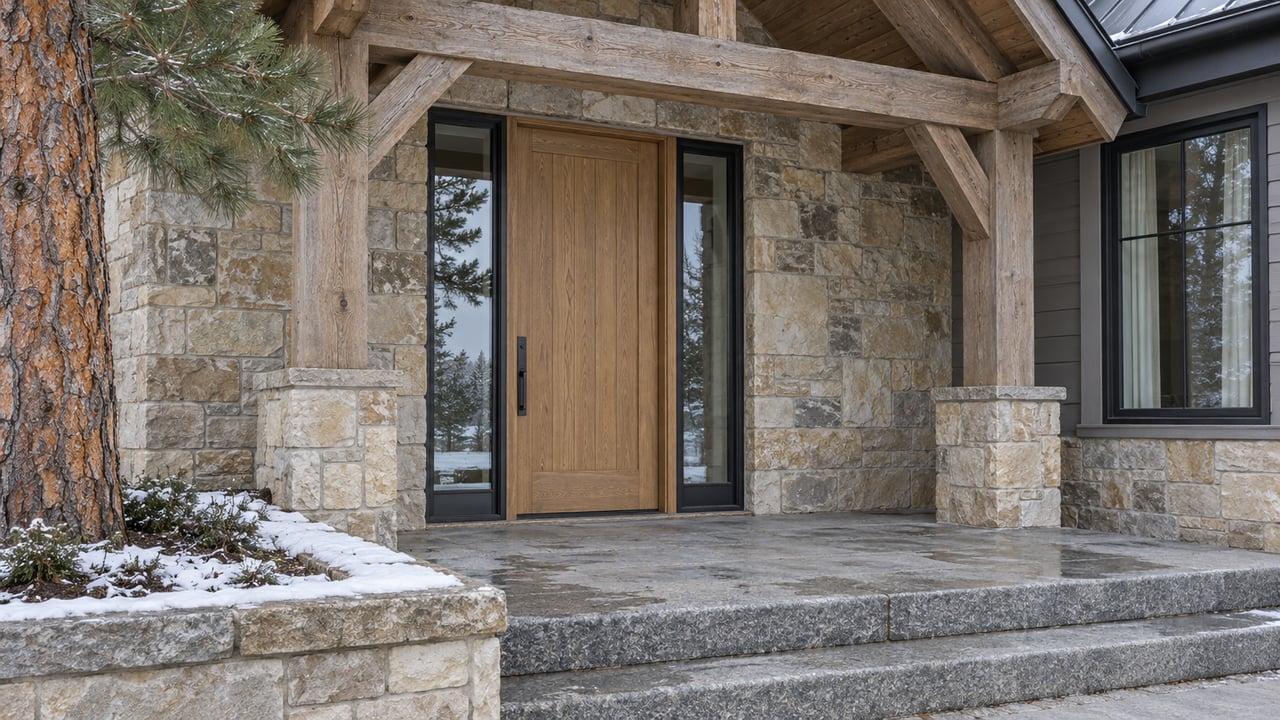
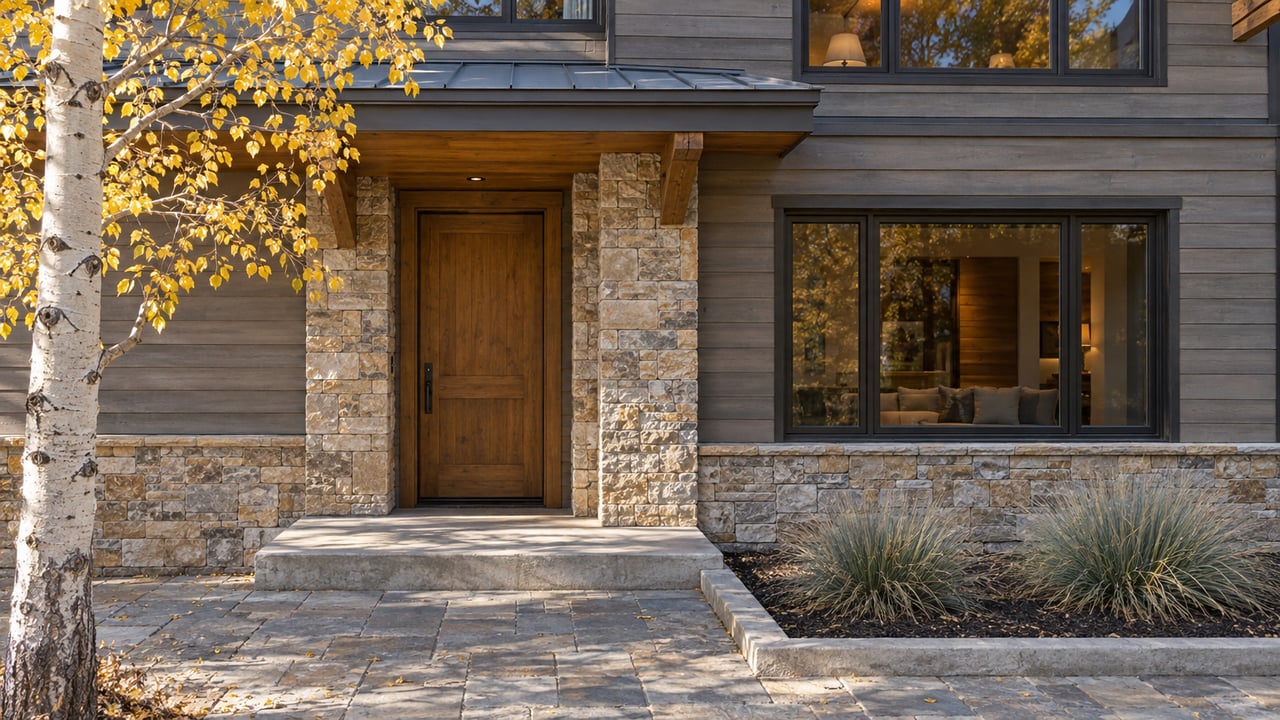
Curb appeal matters too. Fresh landscaping, a neat front entrance, and touch-up paint can improve your home’s first impression before a buyer even walks through the door. In a market where first clicks matter, exterior presentation sets the tone.
Stage the rooms that matter most
You do not need to redesign every corner of your home to make an impact. The strongest return usually comes from prioritizing the spaces buyers focus on most.
According to NAR’s 2025 staging research, the living room is the most important room to stage, followed by the primary bedroom and kitchen. Dining areas also commonly matter. For most sellers, that means your effort should go first to these public-facing, high-visibility spaces:
- Living room
- Primary bedroom
- Kitchen
- Dining area
This approach keeps staging practical and budget-conscious. Instead of spreading time and money across every room, you can create a cleaner, more cohesive look where buyers are most likely to form an opinion.
Staging also helps buyers picture how they might use the space. NAR found that 83% of buyers’ agents believe staging makes it easier for buyers to visualize a property as their future home. That kind of clarity can support stronger interest, especially during the first few days on the market.
Treat launch week as one event
One of the biggest mistakes sellers make is handling prep in pieces. They clean one week, take photos another week, then list before everything feels fully ready. In markets like Castle Rock and Castle Pines, that can weaken your opening momentum.
A better plan is to treat staging, cleaning, photography, video, and the MLS launch as one coordinated event. NAR reports that the first photo matters most, and the first few days online carry more weight than many sellers realize. If your home is going live, it should look fully ready when buyers first see it.
That is especially important in Castle Rock, where the pace tends to be faster. In Castle Pines, where homes may take longer to sell, a polished launch can help you stand out in a higher-priced segment where buyers often compare details more carefully.
Be careful with virtual staging
Virtual staging can be useful, especially if a room is empty or hard to visualize. But any digitally altered presentation should stay accurate to the property. If photos are virtually staged or enhanced with AI, the changes should be clearly identified and should not misrepresent the home.
That protects buyer trust and helps avoid disappointment later. Your digital presentation should create interest, not confusion.
Prepare for showings in writing
Showings feel simple until schedules get busy and access questions start coming in. In Colorado, showing access should be spelled out in writing in the listing contract. You can choose not to use a lockbox, and access should only happen according to your instructions.
That means now is the time to decide what works best for your household. Think through notice periods, preferred showing windows, pet arrangements, work-from-home needs, and how flexible you can be if interest comes quickly. Clear showing instructions help protect your routine while keeping the process organized.
Get your paperwork ready early
Good listing prep is not only about appearance. It is also about having the right documents ready before offers arrive.
Colorado’s residential Seller’s Property Disclosure form for use on or after January 1, 2026 must be completed to your current actual knowledge. Under the Colorado residential contract, the most current form must be delivered by the seller’s property disclosure deadline, and sellers must disclose adverse material facts actually known to them.
If your home was built before 1978, lead-based paint rules may also apply. Sellers of most pre-1978 housing must disclose known lead-based paint or lead-based paint hazards and provide the required lead hazard information pamphlet to buyers.
It also helps to gather warranties, guarantees, and manuals for appliances and systems that will stay with the property. These details may seem small now, but they can make the transaction smoother later.
Expect practical negotiations
When offers come in, most negotiations are not about whether buyers liked your furniture or your paint color. They are usually about the practical parts of the transaction. In Colorado, common negotiation points include financing, appraisal, inspection, survey, title, covenants and HOA documents, earnest money, and possession date.
Inspection findings and repair credits are often part of that conversation too. This is one reason pre-list preparation matters so much. If you already know the likely concerns, have estimates for major items, and understand your preferred timing, you are in a better position to negotiate with confidence.
That can be especially helpful in Castle Rock and Castle Pines, where a well-prepared seller is often better able to respond quickly once a serious buyer steps forward. The smoother your home is to show, disclose, and negotiate, the easier it is to keep momentum moving toward closing.
A practical pre-list checklist
If you are preparing to list in Castle Pines or Castle Rock, here is a simple way to organize the process:
- Review local market timing and pricing trends.
- Walk through your home with a critical eye.
- Consider a pre-sale inspection if you want early insight.
- Get estimates for major repairs, even if you will not complete them.
- Deep clean the home inside and out.
- Declutter and simplify visible surfaces.
- Focus staging on the living room, primary bedroom, kitchen, and dining area.
- Confirm your showing instructions in writing.
- Prepare disclosures and gather manuals and warranties.
- Schedule photos, video, and launch timing as one coordinated rollout.
Why preparation matters here
In both Castle Rock and Castle Pines, buyers have access to plenty of online information and move quickly once a home catches their attention. That makes first impressions more important than ever. Clean presentation, accurate pricing, complete disclosures, and thoughtful negotiation prep all work together.
If you are selling in Castle Rock, that prep can help you take advantage of a faster-moving environment. If you are selling in Castle Pines, it can help your home present at the level buyers expect in a higher-priced market. Either way, careful planning gives you a better chance to launch strong and stay in control of the process.
When you are ready to prepare your home for market, Dave Todd can help you build a clear listing plan, fine-tune presentation, and navigate the process from pricing through closing.
FAQs
Do I need a pre-list inspection before selling a home in Castle Rock or Castle Pines?
- No. A pre-sale inspection is not required, but it can help you identify issues early and get repair estimates before buyers begin their own inspections.
Which rooms should I stage first before listing a home in Castle Rock or Castle Pines?
- Start with the living room, primary bedroom, kitchen, and dining area, since these spaces tend to matter most to buyers.
What should sellers in Colorado disclose when listing a home?
- Sellers should complete the current Colorado Seller’s Property Disclosure form based on their current actual knowledge and disclose adverse material facts actually known to them.
How should showing access work when listing a home in Colorado?
- Showing access should be clearly written into the listing contract, and access should only happen according to your instructions.
What usually gets negotiated after I accept an offer in Castle Rock or Castle Pines?
- Common negotiation points include inspection items, repair credits, financing, appraisal, HOA documents, earnest money, title matters, and possession timing.