Picture your weekend starting on a paved trail, cruising past open space, then meeting friends at the rec center pool before catching a concert on Civic Green. That is a typical day in Highlands Ranch. If you are weighing a move to South Metro Denver, you want clear answers on amenities, trails, neighborhood feel, commute times, and HOA details. This guide gives you a practical, local view so you can decide if Highlands Ranch fits your lifestyle. Let’s dive in.
Why Highlands Ranch stands out
Highlands Ranch is an unincorporated, master-planned community in Douglas County within the Denver metro area. The Highlands Ranch Community Association (HRCA) and the Highlands Ranch Metro District manage much of the day-to-day experience, from recreation centers to parks and open space. Planning has long emphasized trails and green space that link neighborhoods to everyday amenities. You get a suburban setting with a lot of built-in convenience and outdoor access. HRCA’s overview is a solid starting point if you want to understand how the community is structured.
For a quick housing snapshot, the U.S. Census Bureau’s QuickFacts shows an American Community Survey median owner-occupied value around $712,700 for Highlands Ranch. Recent MLS-based briefs often place median sold prices in the low-to-mid $700,000s. These figures shift with the market, but they give you a realistic baseline for planning. You can review the latest Census context on Census QuickFacts.
Everyday amenities at your doorstep
HRCA recreation centers
Highlands Ranch has four HRCA recreation centers: Northridge, Eastridge, Southridge, and Westridge. Between them, you will find indoor and outdoor pools, gyms and weight rooms, fitness studios, courts, climbing walls, and rentable event spaces. Membership and access are handled through HRCA, and procedures can change, so it is smart to review the current details before you plan a visit or enroll in a program. You can scan the offerings and membership notes on the HRCA recreation overview.
Parks, Town Center, and events
The Highlands Ranch Metro District and Douglas County maintain a robust park system that includes neighborhood parks, dog parks, skate parks, tennis and pickleball courts, and ballfields. Highland Heritage Regional Park is the big event venue for the community. Town Center and Civic Green form the civic heart, with a library nearby and a steady slate of gatherings. To explore parks and civic facilities, use the Metro District’s facility directory.
You will also find recurring events like a weekly Highlands Ranch Farmers Market in season and a community Fourth of July fireworks program at Highland Heritage Regional Park. Dates shift each year, so check HRCA’s calendar for the current schedule of the Highlands Ranch Farmers Market.
Trails and open space explained
The Highlands Ranch Metro District maintains more than 70 miles of paved and natural-surface trails and manages about 2,600 acres of open space within the community. These paths link neighborhoods to parks, rec centers, and Town Center, so you can leave the car at home for a lot of local trips. You can browse maps and trail guidance on the Metro District’s open space and trails page.
At the southern edge, HRCA manages the Backcountry Wilderness Area, which spans roughly 8,200 acres. Portions of the backcountry include natural-surface singletrack and program areas that are managed by HRCA with specific access rules. The key distinction is simple:
- Metro District trails and many parks are public and widely accessible for daily use.
- HRCA’s Backcountry Wilderness Area is HRCA-managed, and some trails or programs may require member access or registration.
For an overview of the community framework and the backcountry’s role in it, visit HRCA’s About page.
Neighborhood layout and vibe
Highlands Ranch was developed in “villages” with many smaller sub-associations layered in. HRCA provides the community-wide governance and amenities, while some neighborhoods also have their own sub-association rules and assessments. Examples you might see in listings or signage include Palomino Park, Gleneagles, and The Retreat. Before you write an offer, verify the dues and what they cover through HRCA’s sub-association directory on the Property Owners page.
Town Center and Civic Green
This is the community’s most walkable hub with events on Civic Green, splash features for kids in warm months, and everyday retail and dining nearby. It is convenient for quick errands and evening gatherings. If you enjoy being near the action, this area offers a defined local “main street” feel.
Central villages: Northridge, Eastridge, Southridge, Westridge
These established areas include a mix of older and updated homes, with easy access to neighborhood parks and the four recreation centers. Daily life here is about short trips to activities and programs. Expect steady foot and bike traffic on the connecting trails.
North side near C-470 and major corridors
Along the northern and eastern edges near C-470, University Boulevard, and South Broadway, you get faster access to the Denver Tech Center and regional retail. Arterials are busier, but commute times can be shorter during peak periods. This is a good match if you want quick highway access.
South end and Backcountry edge
Closer to the Backcountry Wilderness Area, neighborhoods tend to feel more open-space oriented. Trailheads are close, and natural areas are a daily backdrop. If you prioritize trail access and a quieter setting, start your search toward the south.
Housing styles and price context
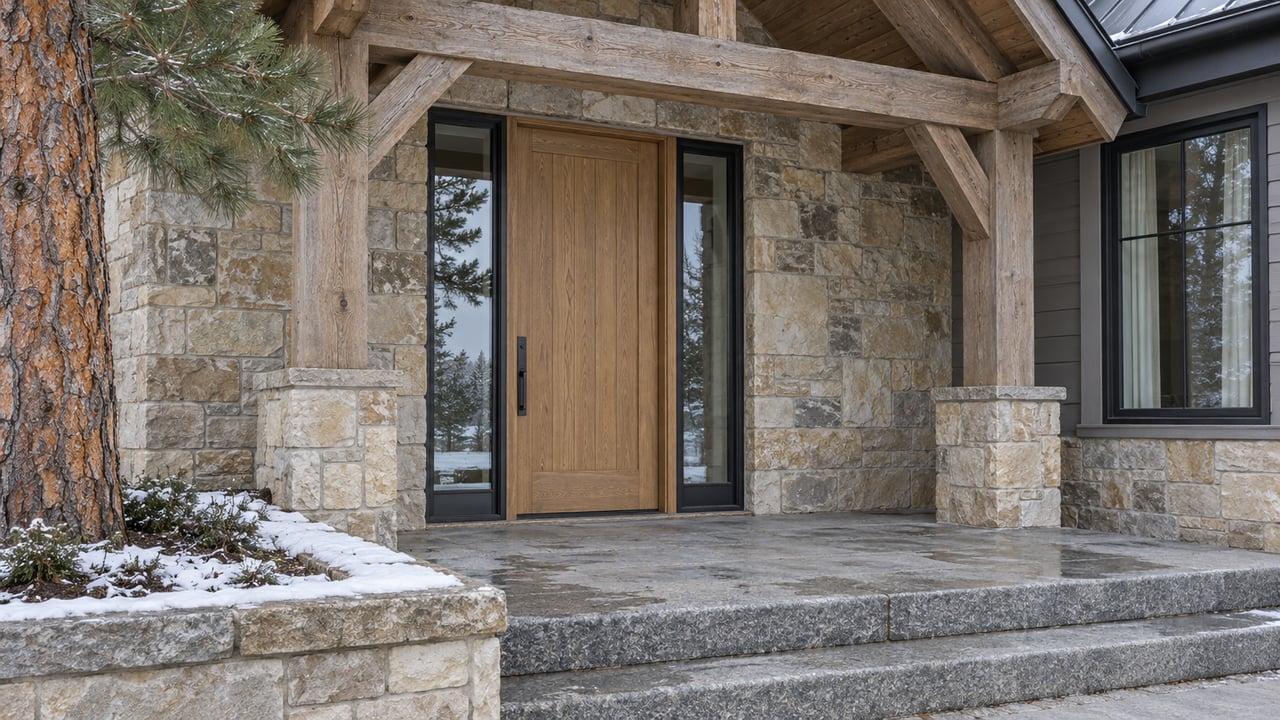
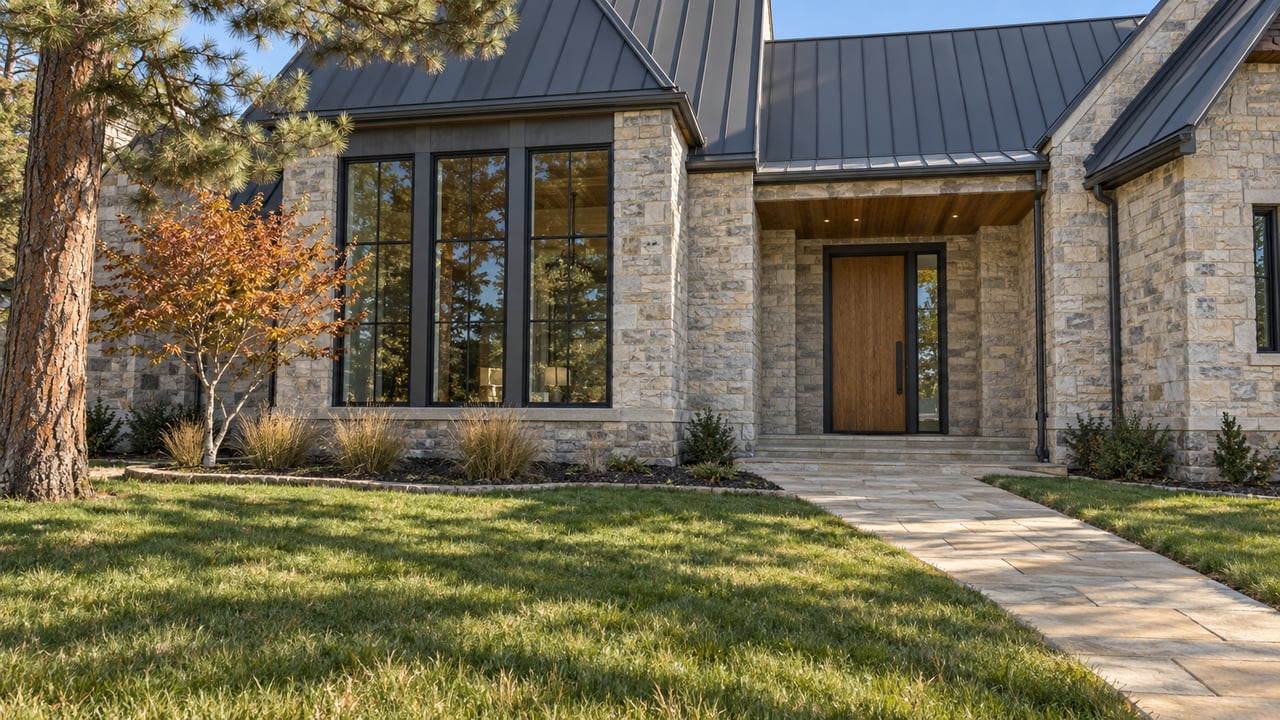
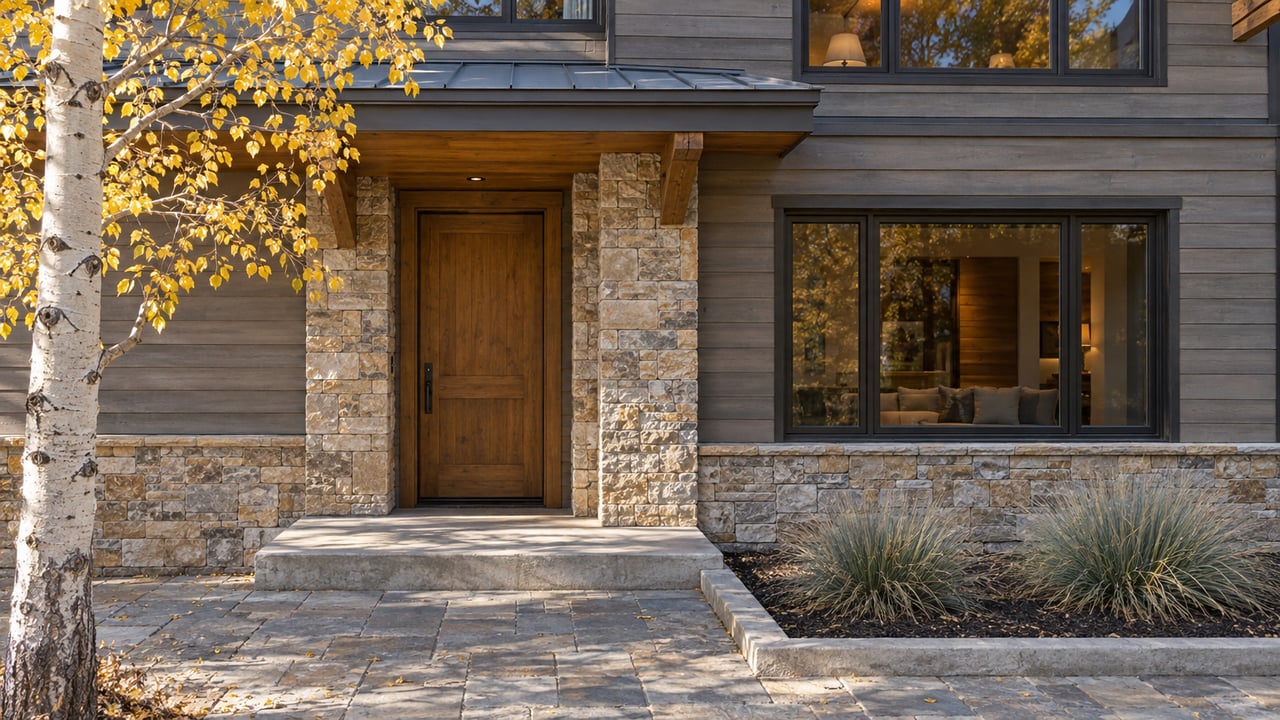
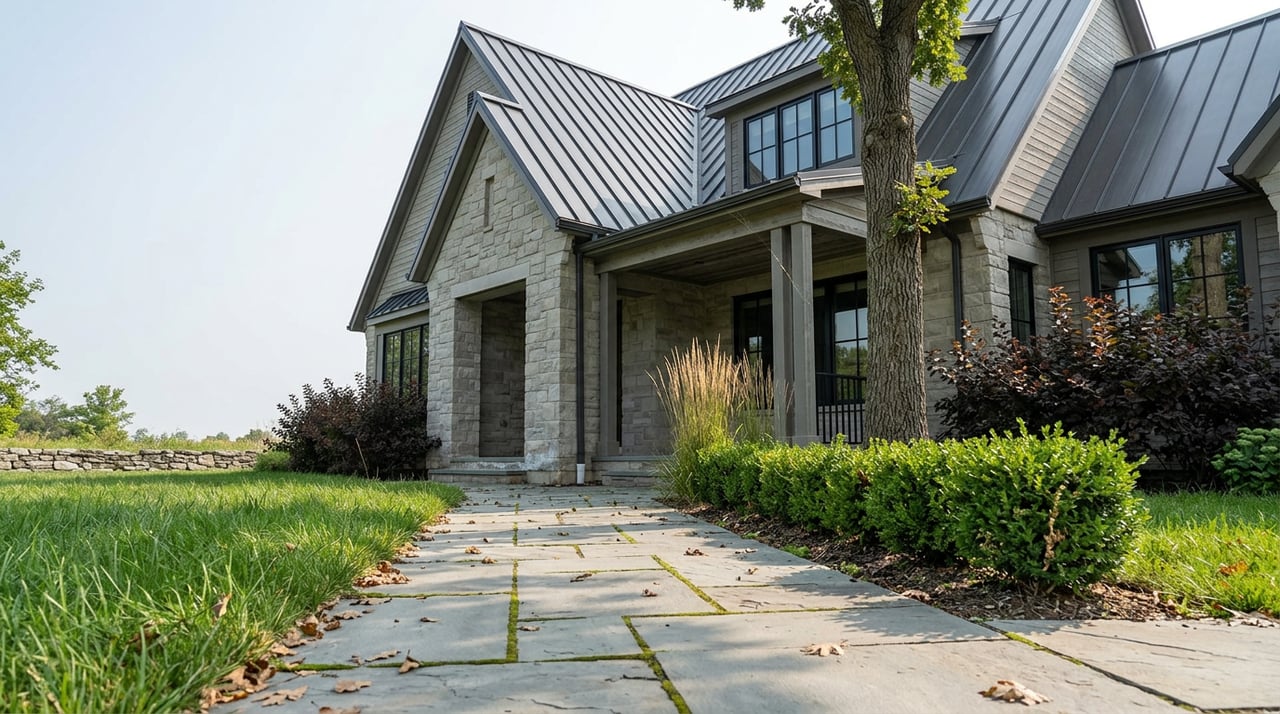
You will find a range of single-family homes, townhomes, and condos, with most development starting in the 1980s and continuing through the 2000s. Some pockets feature larger lots or more custom finishes, while others offer efficient lot sizes or attached homes for lower-maintenance living. This variety makes it easier to match budget and lifestyle within a single community.
For pricing context, ACS data shows a median owner-occupied value around $712,700 in Highlands Ranch, and recent MLS-based snapshots often show median sold prices in the low-to-mid $700,000s. Actual values depend on location, condition, size, and the month you buy or sell. If you plan to purchase soon, ask for a fresh neighborhood-level price analysis before you lock your budget.
Commuting and transit options
C-470, I-25, and Santa Fe Drive (US-85) are the primary routes shaping your commute. Typical drive times to the Denver Tech Center are about 15 to 25 minutes off peak and 25 to 40 minutes at peak, though times vary by neighborhood and day. For a realistic snapshot and comparisons across South Metro, review the regional commute brief in the South Metro report, then run your own test from the specific address you are considering.
Light rail and park-and-rides
Many residents drive a short distance to RTD stations like County Line, Lincoln, or RidgeGate for partial rail commutes. Park-and-ride options and express bus routes change, so it is best to check RTD’s current schedules before you plan your daily routine.
Schools, safety, and civic services
Highlands Ranch is served by the Douglas County School District. Local families reference high schools such as Highlands Ranch, Mountain Vista, Rock Canyon, and ThunderRidge, along with charter options like STEM School Highlands Ranch. Attendance boundaries and program configurations have been under review, so always confirm current maps and feeder patterns on the district’s high schools page before you rely on a specific assignment.
Because Highlands Ranch is unincorporated, law enforcement is provided by the Douglas County Sheriff’s Office. Fire and EMS services are provided by South Metro Fire Rescue. For jurisdiction and contact details, see the Sheriff’s Office page on unincorporated Douglas County.
For everyday civic life, the Douglas County Library branch at Town Center and the Metro District’s parks and ranger programming are easy go-tos. You can use the Metro District’s facility directory to find park amenities and event spaces across the community.
How to choose your fit in Highlands Ranch
Use this quick framework to narrow in on the right pocket of Highlands Ranch for you:
- Define your daily routine. List out your top 5 weekly stops, then map them to trail access, rec center proximity, and Town Center convenience.
- Set commute targets. Choose a neighborhood that lines up with your preferred route to DTC, downtown, or DIA. Run a rush-hour test from any home you like.
- Clarify HOA details. Confirm HRCA membership procedures and any sub-association dues and rules for the property you are considering.
- Decide on housing type and lot needs. Compare single-family homes, townhomes, and condos by maintenance level and outdoor space.
- Check school boundaries early. If schools are part of your plan, verify the current district boundaries before you write an offer.
- Walk the trails. Visit at different times of day to feel traffic patterns, trail use, and noise.
Ready to explore homes and compare neighborhoods with a local, data-backed game plan? Connect with Dave Todd to Request a Free Valuation & Consultation or to start a guided Highlands Ranch home search today.
FAQs
Are Highlands Ranch trails and rec centers open to the public?
- Metro District trails and many parks are public, while HRCA’s four recreation centers and parts of the Backcountry Wilderness Area have membership-based access rules.
Will you pay HRCA or sub-association fees when you buy in Highlands Ranch?
- Yes; HRCA assessments apply community-wide, and some neighborhoods also have separate sub-association dues and rules, so verify amounts and coverage before you offer.
How long is the commute from Highlands Ranch to the Denver Tech Center?
- Typical ranges are about 15 to 25 minutes off peak and 25 to 40 minutes at peak, but test from the specific address and time you will travel.
What housing types are common in Highlands Ranch?
- You will find a mix of single-family homes, townhomes, and condos, with most development from the 1980s through the 2000s and some newer infill pockets.
Which areas feel more active versus quiet in Highlands Ranch?
- Town Center and nearby streets feel more active with events and retail, while neighborhoods along the Backcountry edge tend to feel quieter with close open-space access.