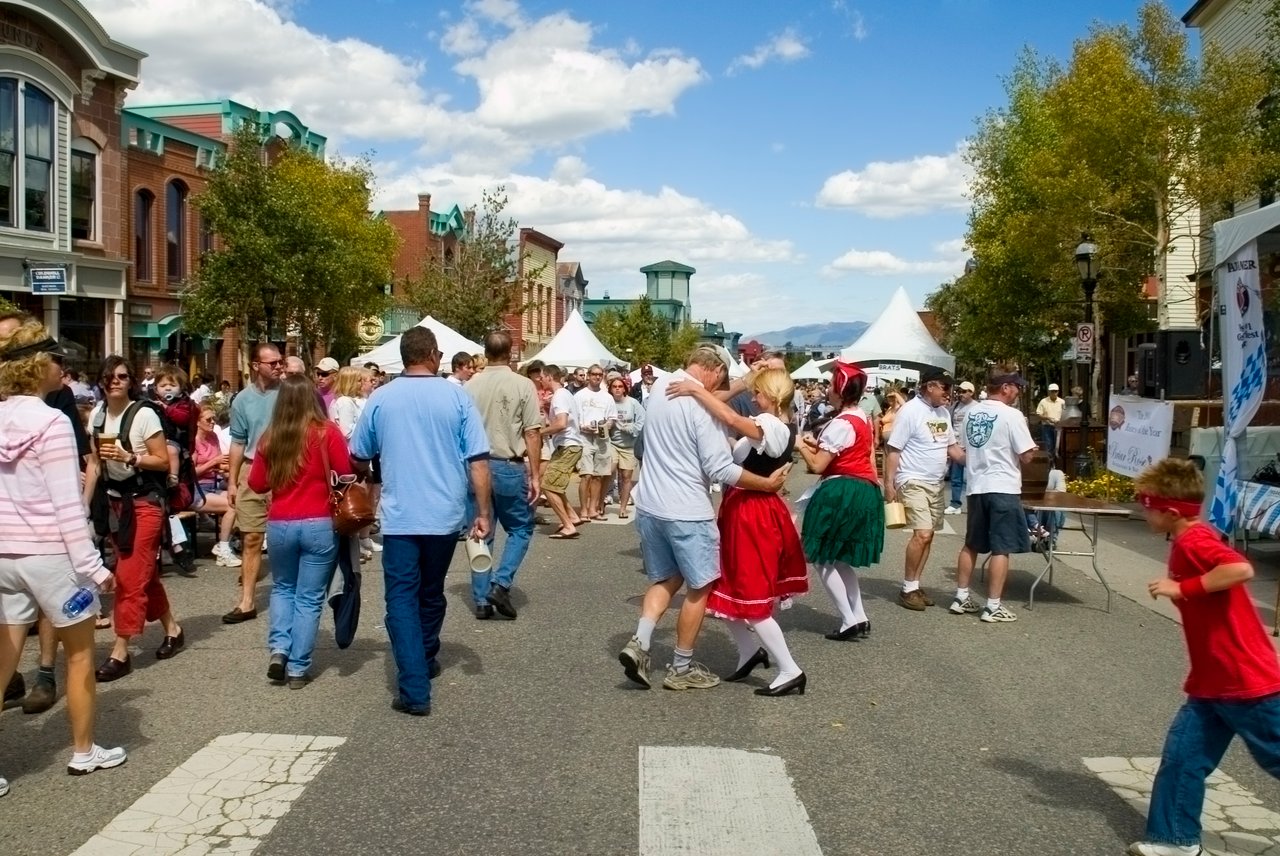
Every autumn, millions of people gather under enormous festival tents, raise overflowing steins, and celebrate Bavarian culture at Oktoberfest. While many associate the event primarily with beer, its origins tell a much more fascinating story. Oktoberfest did not begin as a brewing festival. Instead, it started as a royal wedding celebration that captured the imagination of an entire kingdom.
A Royal Beginning
The story of Oktoberfest begins on October 12, 1810, when Crown Prince Ludwig of Bavaria, who would later become King Ludwig I, married Princess Therese of Saxe-Hildburghausen in Munich. To mark the occasion, Bavarian officials invited the citizens of Munich to join in the festivities, an unusually inclusive gesture for the time.
The celebrations extended beyond the wedding ceremony itself. Citizens gathered on fields just outside Munich's city walls, creating a massive public event that brought together people from across the region. The site was later named Theresienwiese, or "Therese's Meadow," in honor of the princess. Locals still refer to the Oktoberfest grounds simply as "the Wiesn" today.
The Horse Race That Started a Tradition
The highlight of the celebrations was a grand horse race held on October 17, 1810. Organized as the finale of the wedding festivities, the event attracted thousands of spectators. What made the occasion truly historic was its popularity. The celebration was such a success that organizers decided to repeat it the following year.
The annual repetition of the horse races and festivities laid the foundation for what would eventually become Oktoberfest. What started as a one-time royal celebration gradually transformed into a recurring public festival.
Growing Beyond the Wedding
In 1811, organizers introduced an agricultural show to promote Bavarian farming and industry. Additional attractions followed over the years, including games, carnival booths, amusements, and food vendors. As the festival expanded, it became an important showcase of Bavarian culture and community life.
By 1819, Munich's city council had assumed responsibility for the event and declared that it would be held annually. This decision helped transform Oktoberfest from a local celebration into a lasting civic tradition.
When Beer Took Center Stage
Although beer is now the defining symbol of Oktoberfest, it was not the primary focus in 1810. The early festivals revolved around horse racing, public entertainment, and community celebration. Over time, beer stands evolved into larger beer halls and eventually into the massive beer tents that define the modern festival.
As Munich's brewing industry flourished during the nineteenth century, local breweries became increasingly involved in the festivities. Beer consumption grew alongside the festival's popularity, helping shape Oktoberfest into the world-famous event we know today.
Why Is Oktoberfest Held in September?
One interesting quirk is that much of Oktoberfest now takes place in September. Originally held entirely in October, the festival gradually shifted earlier in the calendar to take advantage of warmer weather and longer daylight hours. Today, it typically begins in September and concludes on the first Sunday in October.
The Spirit of Community: Oktoberfest's Enduring Legacy
Beyond the beer, music, and festivities, Oktoberfest has always been about something deeper: community.
From its very beginning in 1810, the celebration was notable because it brought together people from all walks of Bavarian society. Rather than limiting the festivities to royalty and nobles, the citizens of Munich were invited to participate in a shared experience that fostered unity, connection, and civic pride. The fields of Theresienwiese became a gathering place where neighbors celebrated alongside one another, strengthening the bonds that helped define Bavarian identity.
More than two centuries later, that sense of belonging remains at the heart of Oktoberfest. While visitors come from around the world, the festival continues to serve as a reminder that strong communities are built when people gather, share traditions, and invest in the places they call home.
In many ways, this same principle lies at the heart of homeownership. Purchasing a home is about more than acquiring property; it is about becoming part of a neighborhood and contributing to a community's future. Homeowners often develop deeper roots in their communities through local involvement, long-term relationships with neighbors, and a shared commitment to preserving and improving their surroundings.
Just as Oktoberfest grew from a one-time celebration into a cherished tradition passed from generation to generation, neighborhoods thrive when residents invest their time, energy, and resources into creating places where families can put down roots. The sense of stability, connection, and belonging that comes with homeownership helps build the kind of vibrant communities that make local traditions possible in the first place.
Building Community Ties: Lessons from Oktoberfest
The success of Oktoberfest for more than 200 years demonstrates a simple truth: strong communities are built when people come together around shared experiences. While few neighborhoods host celebrations on the scale of Oktoberfest, the same spirit can be cultivated close to home.
Here are several ways homeowners can strengthen community connections:
Get to Know Your Neighbors
A simple introduction can be the foundation of lasting relationships. Whether it's a friendly conversation, a welcome note, or a neighborhood gathering, taking the first step helps create a sense of belonging.
Support Local Traditions and Events
Community festivals, farmers markets, school events, and charity fundraisers bring people together in much the same way Oktoberfest has done for generations. Participating in these activities helps preserve local traditions and builds civic pride.
Host Gatherings at Home
Backyard barbecues, holiday parties, game nights, or block parties provide opportunities for neighbors to connect in a relaxed setting. Meaningful communities often begin with informal conversations.
Volunteer Locally
Joining neighborhood associations, coaching youth sports, mentoring students, or supporting local nonprofits allows residents to contribute to causes that improve the quality of life for everyone in the community.
Shop and Dine Locally
Supporting small businesses helps create vibrant neighborhoods and strengthens local economic ties. These businesses often serve as gathering places where community connections naturally develop.
Participate in Community Improvement Projects
Neighborhood cleanups, beautification efforts, community gardens, and park improvement projects build more than attractive spaces. They create a shared sense of purpose and ownership.
Be a Consistent Presence
One of the greatest benefits of homeownership is the opportunity to establish long-term roots. Over time, familiar faces, shared experiences, and mutual support create the trust that defines strong communities.
Homeownership as a Community Investment
Much like the citizens who gathered in Munich in 1810 to celebrate a royal wedding, homeowners have the opportunity to become active participants in the places where they live. A home is more than a financial asset; it is a connection to neighbors, local traditions, and the future of a community.
The enduring popularity of Oktoberfest reminds us that communities thrive when people invest in relationships. Whether through neighborhood events, volunteer service, or simply getting to know those living nearby, homeowners can help create the same spirit of connection that has made Oktoberfest a beloved tradition for generations.
A Legacy More Than Two Centuries Old
More than 200 years after Ludwig and Therese exchanged vows, their wedding celebration continues to bring people together from around the world. While the festival is famous for beer, pretzels, traditional clothing, and lively music, its true origin lies in a moment of public unity and celebration. What began as a royal wedding in 1810 evolved into the world's largest folk festival, preserving a unique piece of Bavarian history while welcoming millions of visitors every year.
Oktoberfest's enduring appeal reminds us that some of the world's greatest traditions begin in the most unexpected ways: not with a grand plan, but with a celebration so memorable that people simply wanted to do it again.
Conclusion
The story of Oktoberfest is often told through its iconic beer tents and lively celebrations, but its true origins lie in the power of bringing people together. What began as a royal wedding celebration in 1810 evolved into the world's largest folk festival because it resonated with something universal: the human desire for connection and community.
That lesson remains just as relevant today. Whether gathering with friends at Oktoberfest, attending a neighborhood event, or purchasing a first home, strong communities are built through shared experiences and lasting connections. Homeownership provides an opportunity to become part of that story, creating roots in a neighborhood and helping shape a community that will endure for generations to come.
In the end, Oktoberfest is not simply a celebration of Bavarian culture. It is a celebration of community itself, and a reminder that the places we choose to call home are often the foundation for our most meaningful relationships and traditions.
Sources: History.com and Wikipedia.org